Furnace Season in Central Arkansas: What Actually Fails and Why
Mild Central Arkansas winters hide furnace problems until the first hard freeze forces them into the open.
September 3, 2026 · 4 min read
Central Arkansas winters have a habit of lulling people into a false sense of security. There's a stretch of mild weeks, some 50 and 60 degree afternoons, maybe a light jacket kind of December, and then a cold snap drops in overnight and the furnace that's been idle for months suddenly has to work hard on the coldest morning of the year. That's precisely when a furnace that's been quietly struggling finally shows it.
The Igniter That's Been Cycling All Fall
Most gas furnaces built in the last couple of decades start with a hot surface igniter rather than the standing pilot light older systems used. It's a small ceramic element that glows and ignites the gas, and it's also one of the more fragile parts in the whole system. Igniters are rated for a certain number of on-off cycles over their life, and the constant heating and cooling eventually causes hairline cracks that only get worse. When one finally fails, the furnace usually won't ignite at all, and you'll hear the blower run for a moment before everything shuts back down.
Three Tries, Then Lockout: the Flame Sensor
A flame sensor tells a different story, and it's a more common culprit than people expect. It's a thin metal rod positioned in the flame itself, and its job is to confirm combustion is actually happening once the igniter has done its work. Over a heating season, that rod slowly builds up a thin layer of carbon and oxidation from normal combustion, the same way anything sitting in exhaust residue accumulates a film over time. Once that coating gets thick enough, the sensor can't detect the flame properly anymore, even though the furnace is lighting just fine. The classic pattern is a furnace that fires up, runs for a few seconds, shuts off, tries again, and after three attempts locks out entirely and needs a reset at the thermostat. That three-tries-then-lockout behavior is almost always a flame sensor that needs a light cleaning, not a furnace that needs replacing.
The One Failure That Isn't a Repair
There's one failure that genuinely is a different category, and it deserves to be treated differently than a repair. A cracked heat exchanger is the metal chamber that separates the combustion gases from the air being pushed into your living space, and when it develops a crack, combustion byproducts can potentially mix with the air your family breathes. This isn't a component that gets patched or repaired. A furnace with a confirmed cracked heat exchanger gets condemned and replaced, full stop, because there's no safe partial fix for a barrier that's supposed to keep two air streams completely separate and no longer does.
Heat Pumps Lose Ground in the Low Thirties
Heat pumps deserve their own mention because they behave differently than a gas furnace in genuinely cold weather. A heat pump moves heat rather than generating it, pulling warmth from the outside air even when that air feels cold to you, and that process gets measurably harder as the outdoor temperature drops. Once temperatures fall into the low thirties and below, a heat pump's capacity to extract heat from the outdoor air starts to decline, which is why many heat pump systems in this climate are paired with a backup heat source for the coldest stretches of the year. If your heat pump seems to be running constantly without quite catching up to the thermostat setting on a genuinely cold morning, that's often the system doing exactly what it's built to do at the edge of its range, though it's still worth a look to confirm the backup heat is engaging when it should.
It's also worth mentioning plainly, because it matters more than any repair advice here: any furnace burning gas should have a working carbon monoxide detector nearby, checked and with fresh batteries, every heating season without exception. A cracked heat exchanger or a combustion problem doesn't always announce itself with a smell or a sound, and a detector is the one piece of equipment in the house built specifically to catch what your senses can't.
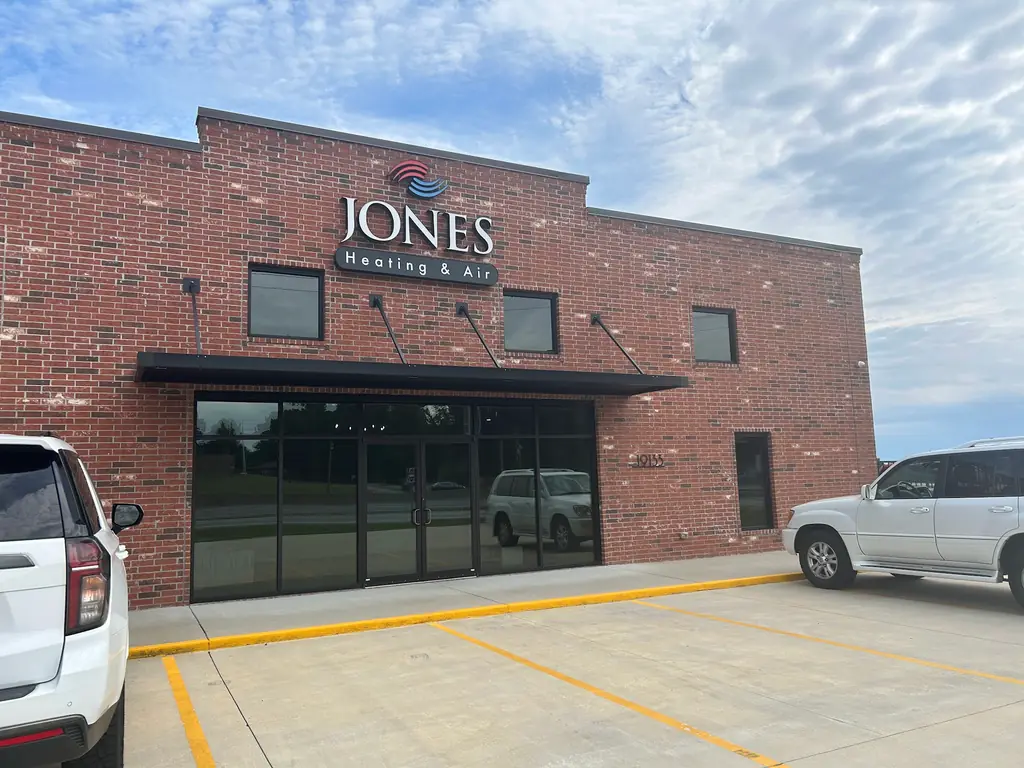
The mild stretch is a good time to get ahead of all of this rather than wait for the first hard freeze to find out what's been quietly wearing down. Jones Heating & Air has serviced heating systems across Benton, Bryant, Conway, Hot Springs and the rest of Saline County since 1985, and the same 24 hour emergency line that covers summer AC failures covers a furnace that won't light on the coldest morning of the year. Call (501) 778-3324 during business hours, Monday through Friday 7:00 AM to 4:30 PM, to get a system checked before it's tested by real cold.
Jones Heating & Air — (501) 778-3324
Call (501) 778-3324More articles
Why an Oversized Air Conditioner Makes an Arkansas House Feel Clammy
A bigger air conditioner sounds like the safe choice, but oversizing is the most common reason a Saline County house stays humid even while it's cold.
The Capacitor: The Small Part Behind Most No-Cool Calls
Most sudden no-cool calls trace back to one inexpensive part in the outdoor unit, and knowing the warning signs can save a system from a much bigger repair.